
Newsletter Subscribe
Enter your email address below and subscribe to our newsletter

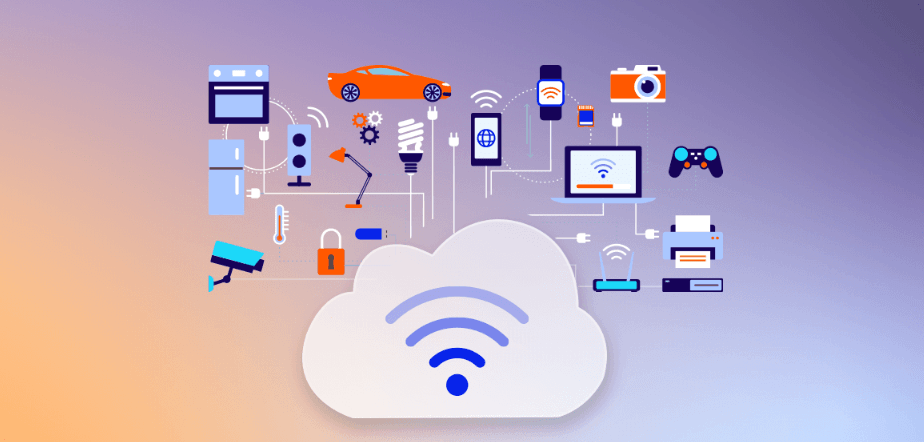
The Internet of Things (IoT) is a technology that connects physical devices to the internet, allowing them to collect, share, and process data with minimal human intervention. These connected devices use sensors, software, and communication technologies to monitor their environment, exchange information, and perform automated actions. From smart homes and wearable devices to industrial automation and smart cities, IoT is transforming the way people live and work.
As internet connectivity and smart devices continue to grow, IoT is becoming an essential part of modern technology. This guide explains what the Internet of Things is, how it works, its components, features, benefits, applications, challenges, and future opportunities.
The Internet of Things (IoT) is a network of physical devices connected to the internet that can collect, transmit, and receive data. These devices communicate with each other and with cloud-based systems to automate processes, improve efficiency, and provide useful insights.
IoT devices range from simple household appliances to advanced industrial equipment and connected vehicles.
IoT devices are equipped with sensors, processors, and communication capabilities that enable them to gather and exchange information.
Sensors collect data such as temperature, humidity, motion, pressure, location, and light.
Devices transmit data through the internet using wired or wireless communication technologies.
Cloud platforms store, process, and analyze data received from connected devices.
Collected information is analyzed to support automation, monitoring, and decision-making.
Based on predefined rules or processed data, IoT systems can perform actions automatically or notify users.
Physical objects equipped with sensors and communication technology.
Hardware components that collect information from the surrounding environment.
Communication methods that allow devices to exchange data with networks and cloud platforms.
Cloud systems store, process, and manage data collected by IoT devices.
Applications allow users to monitor, control, and analyze connected devices.
Security technologies help protect connected devices and transmitted data.
IoT devices continuously collect and transmit live information.
Connected systems can perform routine tasks automatically.
Users can monitor and control devices from virtually anywhere with an internet connection.
IoT devices generate valuable information for analysis and optimization.
Connected devices exchange information to improve coordination and efficiency.
IoT systems can expand by adding more connected devices as needed.
Automation reduces manual work and improves operational performance.
Real-time data helps individuals and organizations make informed decisions.
Efficient monitoring and automation can reduce operational expenses.
Users can control connected devices remotely through smartphones or computers.
Businesses can optimize operations using real-time information and automation.
Connected lighting, thermostats, security systems, and appliances improve convenience and energy management.
Wearable devices and medical sensors support patient monitoring and healthcare services.
IoT improves traffic management, public safety, waste management, and energy usage.
Smart farming systems monitor crops, soil conditions, irrigation, and livestock.
Industrial IoT improves equipment monitoring, automation, and production efficiency.
Connected vehicles and fleet management systems improve logistics and navigation.
Businesses use IoT for inventory management, customer analytics, and smart payment systems.
Sensors track air quality, weather conditions, water quality, and natural resources.
Connected devices must be protected against unauthorized access and cyber threats.
Sensitive user information requires responsible collection and storage.
Different manufacturers may use varying communication standards and technologies.
Many IoT systems require reliable internet connectivity for full functionality.
Protect connected devices with unique and secure passwords.
Install software and firmware updates to improve security and performance.
Use strong Wi-Fi encryption and secure network configurations.
Regularly review device activity and connected accounts.
Grant device permissions only when required.
Choose IoT devices from reputable manufacturers with ongoing security support.
Routine tasks can be completed with minimal human intervention.
Organizations can optimize energy, equipment, and operational resources.
Connected products provide personalized and responsive services.
IoT continues to transform healthcare, agriculture, manufacturing, transportation, and many other sectors.
The Internet of Things is a network of connected devices that collect, share, and process data through the internet.
IoT devices use sensors, internet connectivity, cloud services, and software to collect information, communicate with other systems, and automate tasks.
IoT is used in smart homes, healthcare, agriculture, transportation, manufacturing, retail, environmental monitoring, and smart cities.
IoT can be secure when devices are properly configured, updated regularly, and protected with strong security practices.
IoT improves automation, efficiency, data-driven decision-making, remote monitoring, and connectivity across many industries and everyday applications.
The Internet of Things is transforming the way people interact with technology by connecting everyday devices to the internet and enabling intelligent communication between systems. From smart homes and healthcare to industrial automation and smart cities, IoT provides greater efficiency, convenience, and valuable insights through real-time data. As connected devices continue to expand, understanding IoT concepts, security practices, and practical applications will become increasingly important for individuals, businesses, and organizations embracing the future of digital innovation.

